Medical weight loss · Shimbashi & Ginza
GLP-1 and GIP/GLP-1 medication reduces appetite, and a doctor supervises the dose. We measure your BMI and prescribe only at 25 and above, after blood tests — this is not a treatment we give to anyone who asks for it. In Japan these medicines are approved for type 2 diabetes, not for weight loss, so prescribing them to lose weight is off-label. Please read what that means before you book.
Mounjaro (tirzepatide) costs ¥29,800 a month at 2.5mg at Shinbashi Ginza Swift Clinic in Shimbashi, Tokyo, rising to ¥49,800 at 5mg and ¥74,800 at 7.5mg. Rybelsus (semaglutide tablets) is ¥12,800 for 30 days, and a Kampo option is ¥4,800 a month. We prescribe only where your measured BMI is 25 or above, and only after blood tests the doctor has reviewed. Both medicines are approved in Japan for type 2 diabetes, not for weight loss — prescribing them to lose weight is off-label, at the doctor’s discretion, and entirely self-pay.
| Medication | How it is taken | Supply | Price (incl. tax) |
|---|---|---|---|
| Mounjaro (tirzepatide) 2.5mg | Weekly injection, 4 pens | 1 month | ¥29,800 |
| Mounjaro 5mg | Weekly injection, 4 pens | 1 month | ¥49,800 |
| Mounjaro 7.5mg | Weekly injection, 4 pens | 1 month | ¥74,800 |
| Rybelsus (semaglutide) 3mg | Daily tablet, 30 tablets | 30 days | ¥12,800 |
| Rybelsus 7mg | Daily tablet, 30 tablets | 30 days | ¥24,800 |
| Rybelsus 14mg | Daily tablet, 30 tablets | 30 days | ¥35,800 |
| Bofutsushosan (Kampo) | Herbal formulation, 90 sachets | 1 month | ¥4,800 |
Prices include tax. Dose is decided by the doctor and usually starts low, so your first month may not be your ongoing cost.
GLP-1 receptor agonists slow how fast the stomach empties and act on the appetite signalling in the brain. The practical effect is that you feel full sooner and think about food less. Tirzepatide (Mounjaro) acts on GIP receptors as well.
It does not burn fat, and it does not work independently of what you eat. It lowers the ceiling on your appetite and leaves the rest to you.
Nausea, constipation, diarrhoea and stomach discomfort are frequent, especially in the first weeks and after each dose increase. This is why the dose is stepped up gradually and why a doctor should be following it.
Your BMI has to be 25 or above, and we measure it at the clinic. Height and weight are taken on the day; it is not something you self-report on a form.
If the number comes out below 25, we will not prescribe a GLP-1 medicine for weight loss — however much you would like us to, and regardless of how you feel about your own body.
BMI 25 is the point at which the Japan Society for the Study of Obesity classifies a person as obese. This line is lower than the one used in most of Europe and North America, where obesity is usually defined from BMI 30.
The reason is that people of East Asian descent tend to develop metabolic problems — high blood sugar, high blood pressure, fatty liver — at a lower body weight than white populations do. If you are used to a Western threshold, the Japanese one will look strict.
For reference, the medicine that is approved in Japan for obesity — Zepbound, which contains the same active ingredient as Mounjaro — is reimbursed under public insurance at BMI 27 with two or more weight-related health problems, or BMI 35.
Our line sits below that, but the logic is the same one: this class of medicine is for people whose weight is a health problem, not for cosmetic fine-tuning.
A meaningful number of people who ask for these medicines are turned down here. That is the intended behaviour of the rule, not a failure of it.
If you are below the threshold and still want help with your weight, say so at the consultation — diet, exercise and the Kampo option are all things we can talk about without a GLP-1 prescription.
GLP-1 and GIP/GLP-1 medicines act on the pancreas, and they are cleared by the liver and kidneys. Whether they are safe for you is not something that can be judged by looking at you, so we test before the first prescription rather than after.
The doctor reads the results before deciding. Where something on the panel makes the medicine unsafe for you, we do not prescribe it, and we will tell you what we saw.
Blood sugar in particular matters here: these medicines are diabetes drugs, and if your results suggest you actually have diabetes, that changes the conversation entirely — you would be looking at treatment under insurance rather than a self-pay weight-loss prescription.
This is the part most clinics keep in the small print. It matters, so it is set out here in full.
Mounjaro (tirzepatide) and Rybelsus (semaglutide) hold Japanese approval for type 2 diabetes. Neither is approved in Japan as a weight-loss medicine. Prescribing them to lose weight is legal, and common, but it happens outside the approved indication — and Japanese regulation requires us to spell out exactly what that means for you.
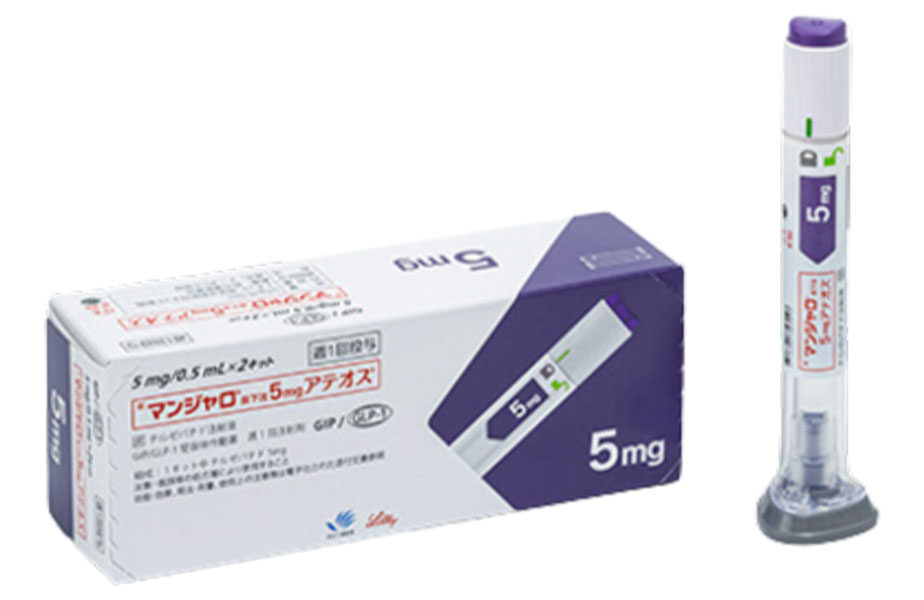 Weekly injectionMounjaro (tirzepatide)You give it yourself, once a week. Acts on GIP receptors as well as GLP-1. We start everyone at 2.5mg and go up to 7.5mg.From ¥29,800 / month
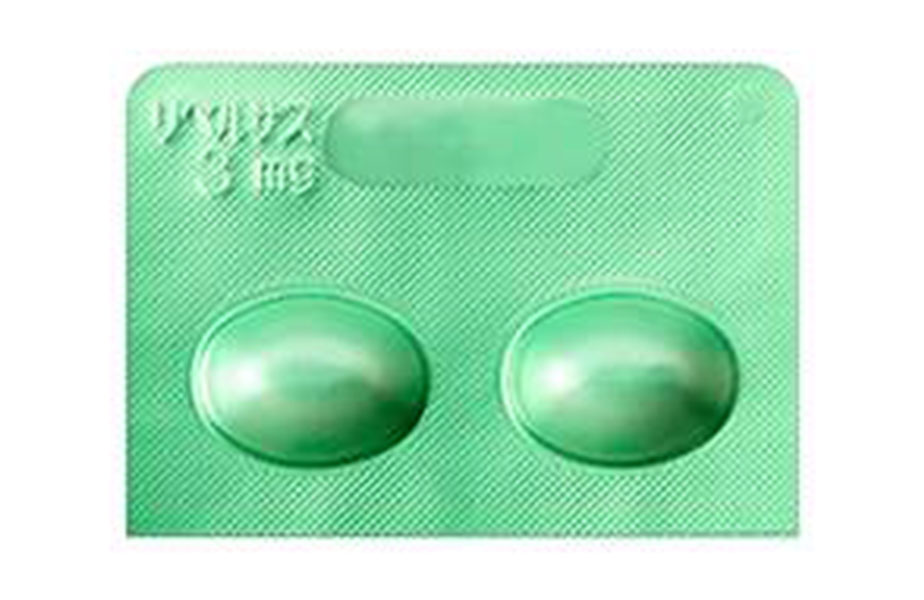 Daily tabletRybelsus (semaglutide)No needles. Taken on an empty stomach, with a strict wait before you eat or drink anything — a routine some people find harder to keep than a weekly injection.From ¥12,800 / 30 days
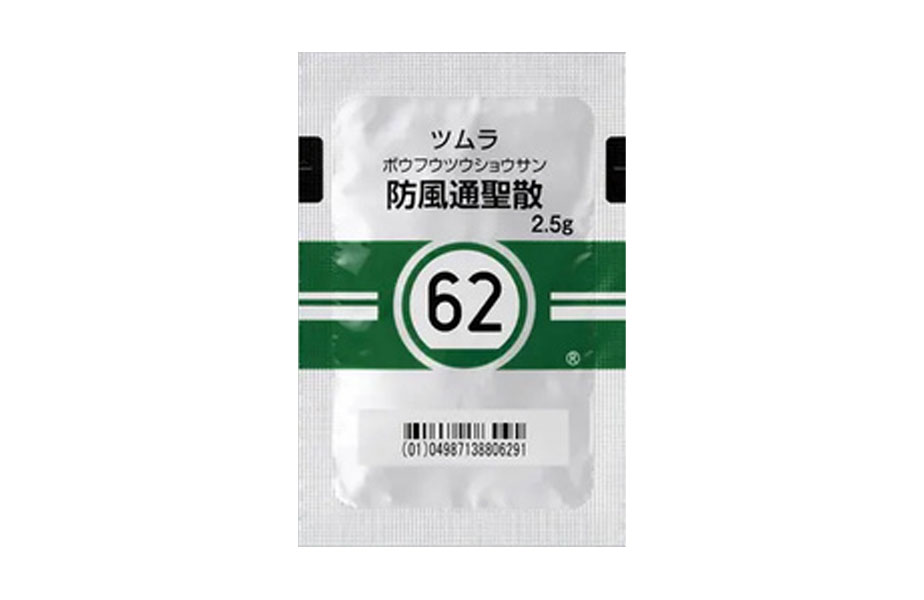 KampoBofutsushosanNot a GLP-1 medicine and not comparable in effect. But it is approved in Japan for obesity, which the other two are not — so it is an option below the BMI threshold.¥4,800 / month
You can be seen here without speaking Japanese. Consultations are handled with a translation app and written notes rather than by an English-speaking doctor, which works well for treatments where the decision is straightforward — repeat prescriptions, testing, hair removal — and is slower where you have a complicated history to explain. Treatment information, pricing and access details on these pages are in English. The booking system and the pre-visit questionnaire are in Japanese, so message us on LINE beforehand if you would like help completing them.
1-8-4 Shimbashi, Minato-ku, Tokyo 105-0004 — Maruchu Building 7F-B. Shimbashi Station is served by the JR lines, the Tokyo Metro Ginza line, the Toei Asakusa line and the Yurikamome, and the clinic is one minute on foot from all of them.
From Ginza Station it is a single stop on the Ginza line, about two minutes. Weekday hours run to 21:00, and we are open at weekends and on public holidays from 10:00.
| Station | Lines | On foot |
|---|---|---|
| Shimbashi | Tokyo Metro Ginza line | 1 min |
| Shimbashi | JR Yamanote, Keihin-Tohoku, Tokaido, Yokosuka | 1 min |
| Shimbashi | Toei Asakusa line | 1 min |
| Shiodome | Toei Oedo line, Yurikamome | approx. 6 min |
| Ginza | Tokyo Metro Ginza, Marunouchi, Hibiya | approx. 10 min |
No health insurance card and no ID are required for self-pay treatment — we take your name and how to contact you. Note that this also means nothing here is reported to an employer or a family insurance plan.
Mounjaro and Rybelsus are approved in Japan for treating type 2 diabetes. They are not approved here as weight-loss drugs. Prescribing them for weight loss is legal and common, but it happens outside the approved indication, on the doctor’s judgement and responsibility. That means it is entirely self-pay, and that the relief schemes covering injury from approved drug use do not apply.
Mounjaro is a weekly injection you give yourself; Rybelsus is a daily tablet taken on an empty stomach with a strict waiting period before eating. The tablet is cheaper to start at ¥12,800 a month. The doctor will talk through which one fits how you actually live.
Yes, and we do. If your measured BMI is below 25 we will not prescribe a GLP-1 medicine for weight loss, and if your blood tests or your history show a reason not to, we will not prescribe either. The BMI is measured at the clinic, not taken from what you tell us. It is worth knowing this before you travel to the appointment.
It is low by Western standards. BMI 25 is where the Japan Society for the Study of Obesity classifies obesity, whereas most of Europe and North America use BMI 30. The Japanese threshold is lower because people of East Asian descent tend to develop metabolic problems — high blood sugar, high blood pressure, fatty liver — at a lower body weight. We use the Japanese line because we are practising in Japan.
Liver function (AST, ALT, γ-GTP), kidney function (creatinine, eGFR), pancreatic enzymes (amylase, lipase), thyroid function (TSH, FT4), and blood sugar (HbA1c and fasting glucose). These medicines act on the pancreas and are cleared by the liver and kidneys, so this is the panel that determines whether the drug is safe for you specifically. The doctor reads the results before deciding whether to prescribe.
If you qualify for it, you probably should. Zepbound contains the same active ingredient as Mounjaro — tirzepatide — and it is approved in Japan for obesity (December 2024, insured from March 2025) at BMI 27 with two or more weight-related conditions, or BMI 35. Insured treatment will cost you less than self-pay here. Raise it at the consultation and we will tell you straight whether that route fits you better.
It is the reason for the blood tests and the BMI rule, rather than a problem in itself. These medicines were developed for type 2 diabetes and are approved in Japan for that. Using them for weight loss is off-label — legal, common, and done on the doctor’s responsibility. What it means for you is that Japan’s compensation scheme for adverse drug reactions does not apply, and that the prescribing decision has to be made carefully rather than automatically.
We prescribe Mounjaro up to 7.5mg. Everyone starts at 2.5mg regardless of what they weigh, and the dose is stepped up only if it is tolerated — side effects are worst at the start and after each increase. Some clinics go to 15mg; we do not. If you need to go beyond 7.5mg, that is a conversation about whether a different setting suits you better.
Yes, once a week, at home. The pen is designed for self-administration and the doctor shows you how at the first visit. Rybelsus avoids needles entirely, but it is a daily tablet taken on an empty stomach with a strict wait before you eat or drink anything — which people often find harder to keep up than a weekly injection.
Nausea, constipation, diarrhoea and stomach discomfort are common at the start and after each dose increase, and usually settle. Low blood sugar can happen, though it is uncommon. Stop the medicine and contact us or a doctor straight away if you get severe abdominal pain radiating to your back, or pain in the upper right abdomen with a fever. Come back to us rather than pushing through — the dose can be held or reduced.
Bring the box, or a photo of it, and tell us the dose and how long you have been on it. The same BMI rule and the same blood tests apply — being mid-treatment elsewhere does not skip the assessment. If you are currently above 7.5mg of tirzepatide, say so early, since that is above what we prescribe.
Follow-up, yes. The first prescription needs you at the clinic, because we have to measure your height and weight and take blood. Once that is done and the doctor has decided to prescribe, continuing prescriptions can be handled by online consultation with delivery anywhere in Japan.
Frequently, yes. These drugs suppress appetite while you take them; they do not permanently reset it. Anyone who tells you otherwise is selling something. Use the period on medication to change what you eat, or expect the weight to return.
Online consultation is available and medication can be posted anywhere in Japan.
One minute from Shimbashi Station, a short walk from Ginza. Same-day slots are often available.
Read about Ozempic's approved use, prescription access and safety in Japan. This guide does not list a price or guarantee a prescription.
